Ganondorf's Multi-Picture Deal: The Real Meta for the Zelda Movies
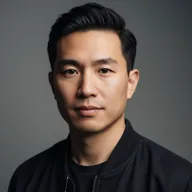
The latest Zelda movie news just dropped a bombshell, confirming Uli Latukefu's multi-picture deal as Ganondorf for the upcoming Zelda movies Ganondorf portrayal. Nintendo isn't just riding the Super Mario Bros. Movie box office wave; they're building an empire. The biggest flex? Locking in Latukefu with a multi-picture deal. This isn't just casting; it's a long-game play, signaling a profound commitment to a sprawling cinematic universe.
The internet, as expected, went wild when the news broke. Latukefu, fresh off Young Rock, is our new Gerudo King. The film wrapped earlier in 2026, targeting an April 30, 2027 release. Link and Zelda's actors are still relatively unknown, but honestly, that's just background noise. The real signal, the crucial intel, is that multi-picture contract. It screams Nintendo's entire cinematic strategy, especially concerning the future of the Zelda movies Ganondorf saga.
Why Ganondorf's Deal for the Zelda Movies is the Real Meta
A multi-picture deal for the villain? That's not a one-off cash grab. That's Nintendo building a saga. This isn't just an investment in Hyrule's ultimate antagonist; it's a commitment to a character who won't be nerfed in the final act. He's here for the long haul, allowing for a nuanced exploration of his motivations and evolution across multiple films. This approach elevates the Zelda movies Ganondorf narrative beyond a simple hero-villain dynamic.
This casting also throws a huge narrative challenge into the mix. The Gerudo, Ganondorf's people, have always been culturally coded. Latukefu's casting means the production has to nail Ganondorf's lore without fumbling the bag on representation. They can't just drop a generic bad guy for multiple films; they need to build a compelling antagonist that respects the source material and modern audiences. This requires careful storytelling that delves into the complexities of his character and his people's history within the Hyrule universe.
Consider the various iterations of Ganondorf throughout the game series: from the cunning thief in Ocarina of Time to the tragic figure in The Wind Waker, and the formidable Demon King in Tears of the Kingdom. A multi-film arc provides the canvas to explore these different facets, perhaps even weaving together elements from various timelines. This depth is crucial for a villain who needs to sustain audience interest and pose a credible threat over several installments, making the Zelda movies Ganondorf portrayal truly iconic.
VFX & Lore: The Multi-Film Gauntlet
Visuals are non-negotiable for any Zelda movie. We're talking about an IP that went from 8-bit sprites to the ray-traced, open-world vistas of Breath of the Wild and Tears of the Kingdom. For a 2027 release, we demand photorealistic environments and character models that blend seamlessly with live-action. The VFX need to push boundaries, feeling real, not like some janky CGI cutscene. The depiction of Hyrule, its diverse landscapes, and magical elements must be breathtaking to truly immerse viewers in the world of the Zelda movies Ganondorf inhabits.
But the real VFX and narrative heavy lifting will be Ganondorf himself. A multi-picture deal means he can't be a one-and-done boss fight. They've got to build out his backstory, his rise to power, and make him a threat that evolves across films. This is where the lore gets tricky, and they need to nail his portrayal without nerfing his impact or alienating fans. This could involve showing his early life among the Gerudo, his acquisition of dark powers, and his initial conflicts with the Royal Family of Hyrule, setting the stage for a grander conflict.
Nintendo and the filmmakers must use this multi-film arc to explore the nuances of the Gerudo. This isn't just about character development; it's about upgrading the lore for a modern audience, engaging with the complexities of his people. A long-term deal for Latukefu gives them the space to craft a complex, layered portrayal that proves why Ganondorf is such a compelling, multi-generational threat. This commitment to character depth is what will distinguish the Zelda movies Ganondorf saga from other fantasy adaptations.
Furthermore, the multi-film approach allows for the introduction of other iconic elements and characters from the Zelda universe. Imagine seeing the origins of the Master Sword, the full power of the Triforce, or the introduction of sages and other key allies and enemies across several films. This gradual unveiling of the rich tapestry of Hyrule will keep audiences engaged and invested in the unfolding narrative, building anticipation for each new installment.
Nintendo's Cinematic Universe Play: High Stakes, High FPS
This isn't just about a single movie; it's Nintendo's full-throttle push into Hollywood. The Mario movie proved their IPs have mainstream appeal. With Zelda, they're signaling a deeper play. A multi-picture Ganondorf means they're building a sprawling narrative, aiming to rival the biggest cinematic universes out there. For a deeper understanding of how these interconnected narratives are built, explore the concept of a shared universe.
The stakes are sky-high. Nail this, and Nintendo has its own cinematic universe, potentially paving the way for adaptations of other beloved franchises like Metroid, Star Fox, or even a more mature take on Pokémon. Screw it up, and we're back to Super Mario Bros. (1993) levels of cringe. This is a massive gamble, but it shows they get how to build a long-form narrative, not just a quick buck. The success of the Zelda movies Ganondorf arc will be a critical barometer for Nintendo's future in film.
In my view, this multi-picture deal is the strongest signal yet that Nintendo is serious about a Zelda cinematic universe. They're not just exploring options; they're committing to a complex, villain-centric narrative that defines modern sagas. This isn't just adapting a game; they're building a dynasty, with the Zelda movies Ganondorf story at its very core. This strategic move could redefine how video game adaptations are approached in Hollywood, setting a new standard for depth and longevity.