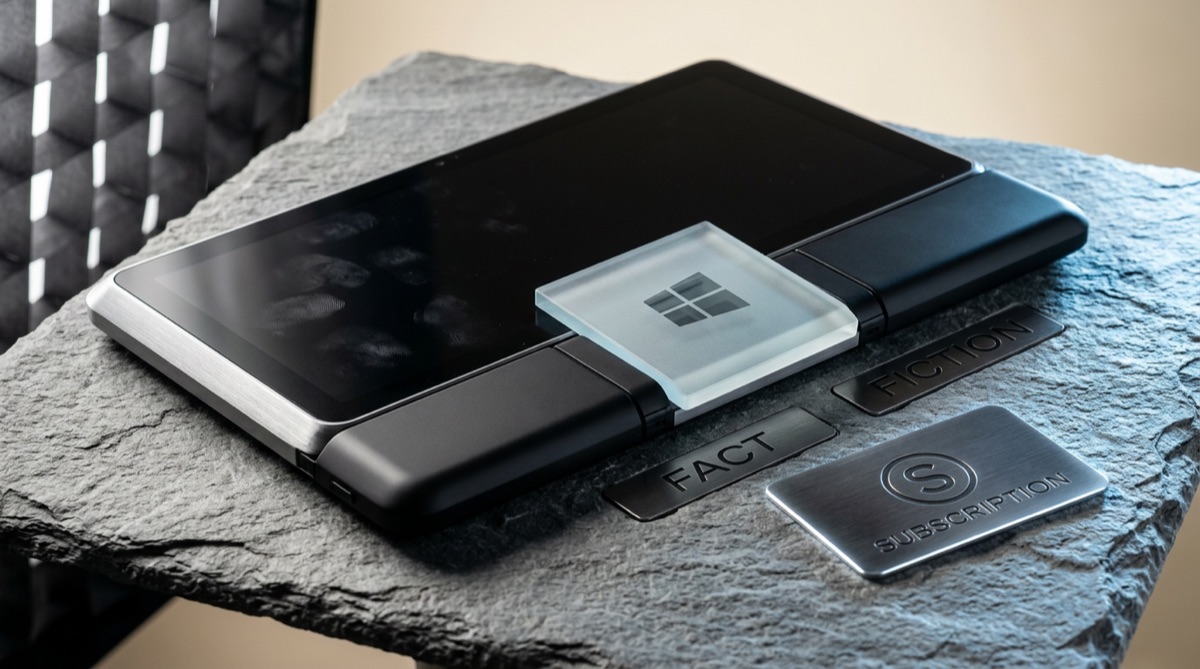
So, the Windows 12 rumor mill is churning again. This time, the whispers are louder, fueled by what some tech journalists and leakers claim are internal Microsoft docs. While Microsoft hasn't officially announced "Windows 12"—it could even arrive as a major update to Windows 11—the big claims are hard to ignore: a potential 2026 launch, a total modular redesign, a subscription model (yikes!), and AI baked into everything. Let's see which of these rumors actually smell like something Microsoft would do, and which are just… wishful thinking. For the first time in a while, it feels like the next version of Windows could fundamentally change how we use our PCs every day.
The "New" Thing: Windows 12's Ambitious Overhaul
The Windows 12 hype train is running on three tracks, according to reports from places like Windows Central and PCWorld:
- Modularity: Finally, a Windows where you only install what you *need*. Imagine ditching the bloatware and having a Start Menu that only shows what *you* installed. Reports on this concept, codenamed "CorePC," suggest it could lead to a leaner OS with quicker updates. This could mean boot times are cut in half and apps open the instant you click them. Think custom-built PC, but for your operating system.
- Subscription Model: Okay, deep breaths. While code strings referencing subscriptions have been spotted, the consensus is that a mandatory one for the whole OS is unlikely for consumers. Instead, it's more probable that Microsoft will offer optional subscriptions for premium AI features or advanced cloud services. So, you'd still get your core OS, but the really cool, next-gen stuff might come with a monthly fee.
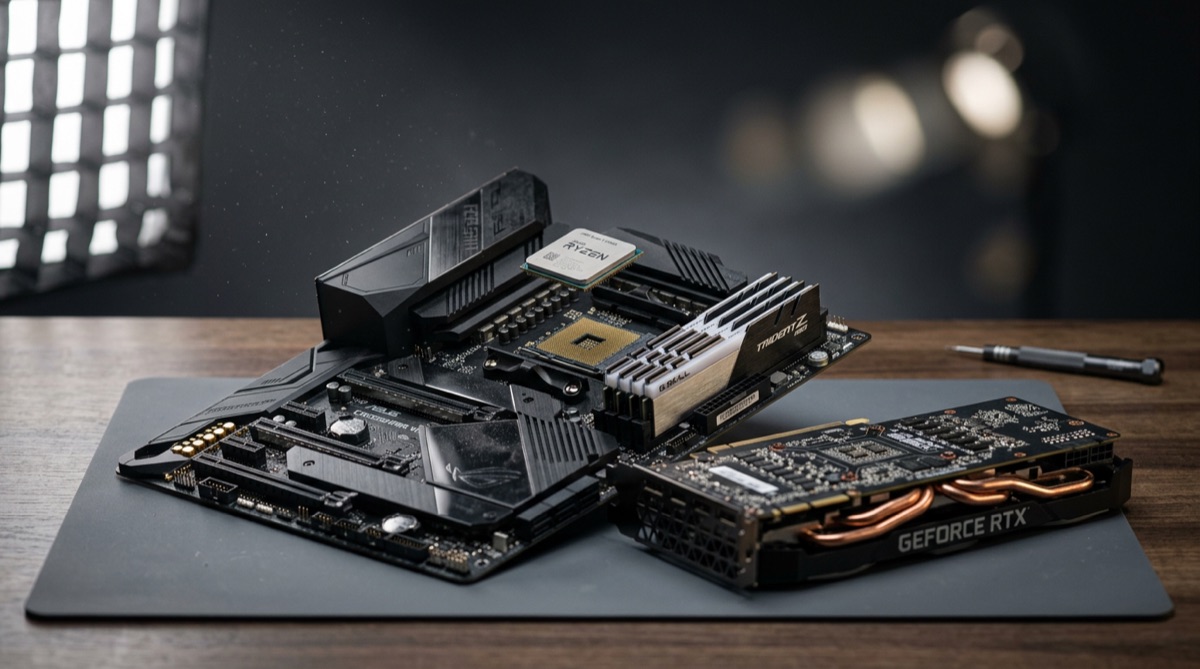
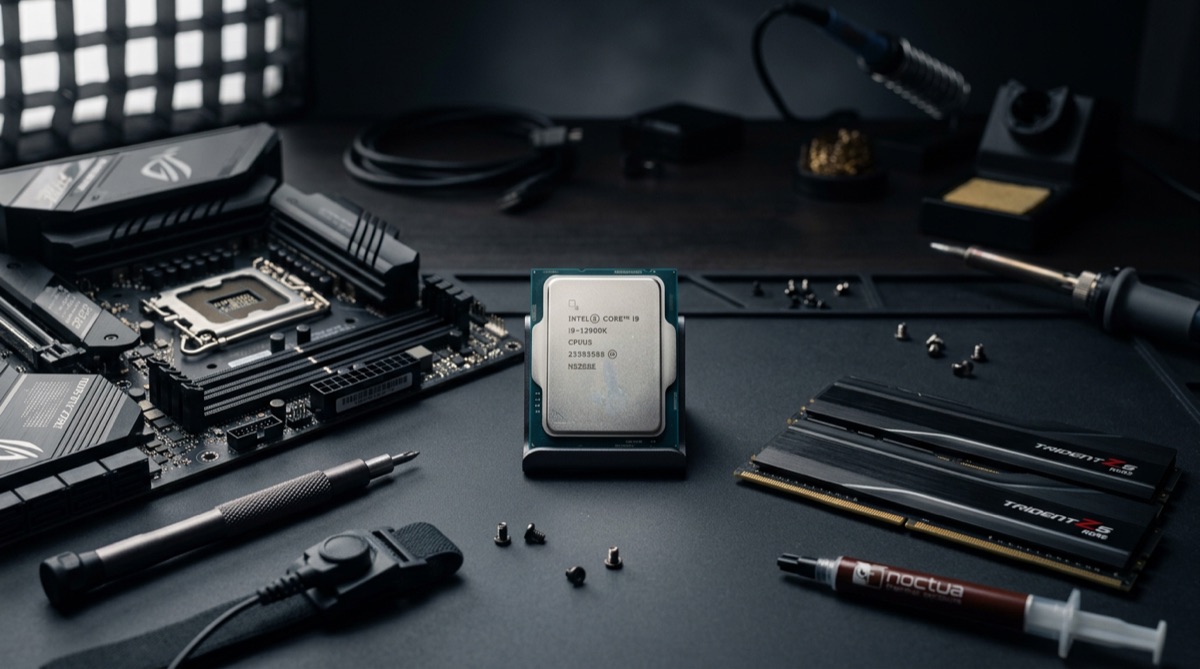
- AI-Driven Experience: This is where things get interesting. The idea is that the next version of Windows will have AI deeply integrated, offering smart assistance and better security. Imagine an AI that anticipates your needs and automates tasks. But here's the kicker: reports suggest these advanced AI features will likely require new hardware, specifically a Neural Processing Unit (NPU) capable of at least 40 TOPS (Trillions of Operations Per Second). If it works, it could be huge.
Competitors: Where Does Windows 12 Fit?
Let's be real, Windows still runs the desktop world, but the competition is getting fierce. A leaner Windows could be a massive draw for Mac users tired of paying the Apple tax. I mean, a new M5 MacBook Pro looks great, but you can get a similarly-specced Razer Blade that crushes it in gaming for $500 less. The question is whether a modular Windows can finally offer that clean, curated feel of macOS without the hardware lock-in.
And what about the tinkerers and power users on a distro like Pop!_OS or Linux Mint? A CorePC that lets you genuinely strip out every last piece of unwanted software might just tempt them back. If Microsoft can deliver on the promise of a truly customizable OS that respects user choice, it could steal some serious thunder from the open-source crowd.
But here's the tightrope walk: that subscription talk, even for optional features, could send mainstream users running for the simplicity of ChromeOS. Think about a student on a budget. If the cool AI features aren't essential for writing papers and they see a potential monthly fee, a dead-simple, no-cost Chromebook starts to look like a no-brainer. It's a high-risk, high-reward play.
The Verdict: Hype or Reality?
The Verdict: The modular 'CorePC' architecture and steep AI hardware requirements are FACT—the leaks are too consistent to ignore. The mandatory subscription for everyone? That's pure FICTION, a ghost story designed to get clicks. The reality is you'll likely be paying for premium AI features, not the OS itself.
So, should you be saving up for a new PC? If you want the full AI-powered experience, absolutely. That 40 TOPS requirement for the best features is no joke and means most current machines won't make the cut. But if you're worried about a monthly bill just to check your email, you can relax. For now.