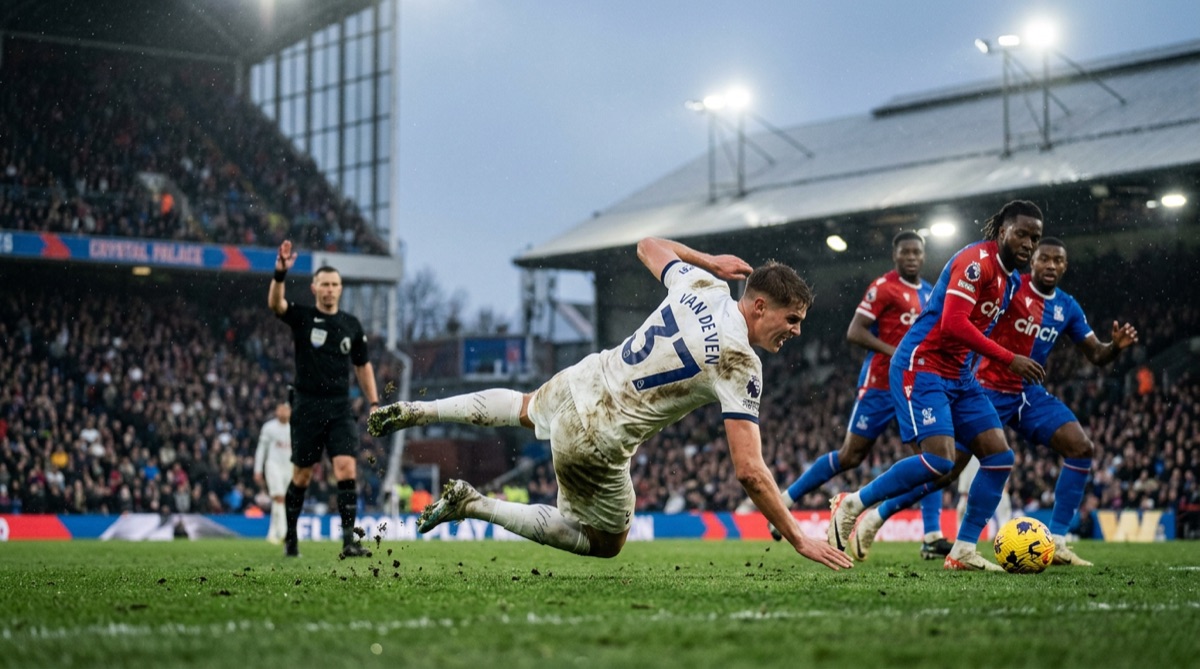
Tottenham are spiraling. Eleven Premier League games without a win – their worst run since 1975 – and hovering one point above the drop zone. This isn't just a bad patch; it's a systemic breakdown, punctuated by a collapse against Crystal Palace where, after taking the lead, Micky van de Ven's red card in the 38th minute sparked a disastrous spell, with Spurs conceding three goals before halftime. Something has to give, and fast.
The Crystal Palace defeat wasn't merely a blip; it was the inevitable result of a rigid system failing week after week. The fans are rightly furious. It's not just the losses, it's the feeling that there's no plan, and the very real fear of a fire sale if they go down. We've seen clubs in crisis before, but Tottenham's problems need a specific fix. Perhaps a change in formation to better protect the defense.

From High Press to No Pressure
Why are they losing? Igor Tudor's tactics don't fit the squad, leaving the team unbalanced and the midfield perpetually bypassed. The decline is evident in their pressing intensity. Their PPDA (Passes allowed Per Defensive Action), a measure of how aggressively they press, has worsened significantly, shifting from the metrics of a proactive team to one that is far more passive and easier to play against. And with Tudor himself now under immense pressure after losing every match since his arrival, these tactical shifts are not just recommendations; they may be the only thing that can save both the club's season and the manager's job.
Is There an Escape Route?
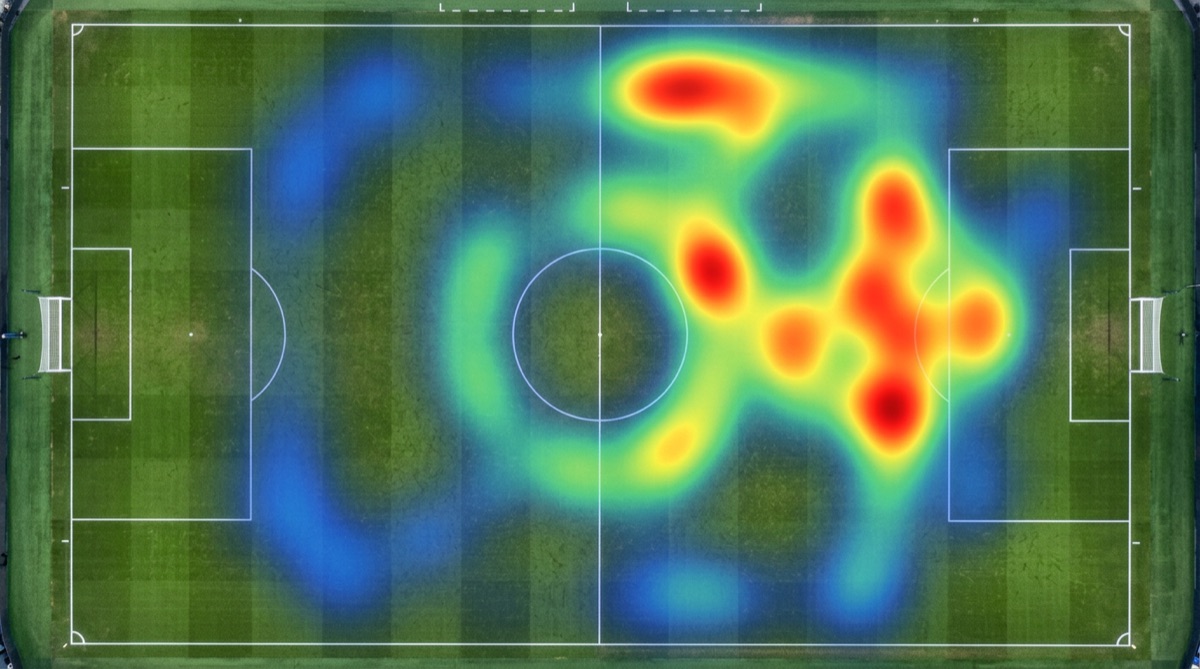
Tottenham's survival hinges on immediate tactical adjustments. A more conservative approach is needed – a low block designed to frustrate and hit teams on the counter. That means instructing full-backs to stay deeper and focusing on winning second balls. They desperately need a destroyer in midfield, a true ball-winner who can break up play and shield the defense. The current setup lacks the steel to control the center of the park.
Tudor's system demands cohesion and specific skill sets that are clearly absent. The most urgent need isn't more complexity; it's a pragmatic pivot to a system that prioritizes defensive stability above all else. Verticality is useless if you can't win the ball back.