The Great Touchscreen Mistake
This isn’t just a feeling; it’s a measurable safety issue. The overuse of touchscreens is an industry-wide problem, forcing drivers to take their eyes off the road. That’s why safety regulators are stepping in. As of January 2026, Euro NCAP makes physical controls for five critical functions—indicators, hazard lights, wipers, the horn, and the SOS function—a prerequisite for any car aiming to achieve a top five-star safety rating. This is a massive deal, and it’s forcing a course correction across the entire industry.
- Distraction Central: Taking your eyes off the road to navigate a laggy menu is a recipe for disaster.
- Menu Maze: Basic functions like heated seats shouldn't be buried three menus deep. It’s infuriating and unsafe.
- Lag City: Ever tried to use a touchscreen with gloves on, or when it's freezing cold? It’s a nightmare of unresponsive taps.
The Clicky Comeback
What changed? The backlash was real, and automakers finally heard the complaints. The pendulum is swinging back, and real, tactile knobs and switches are making a comeback where they matter most.
Even brands that went all-in on the minimalist, screen-heavy aesthetic are changing their tune. Polestar’s head of design, Philipp Römers, confirmed the company is reintroducing more physical switches, driven by both consumer frustration and the new safety regulations. While models like the Polestar 3 and 4 always had a few physical controls, this is a renewed commitment to usability for future models like the Polestar 6. However, these changes aren’t expected to appear immediately, with reports suggesting the first glimpse of a revised interior might not come until the next-generation Polestar 2 or the new Polestar 7 in 2027.
Why Buttons Just *Work*
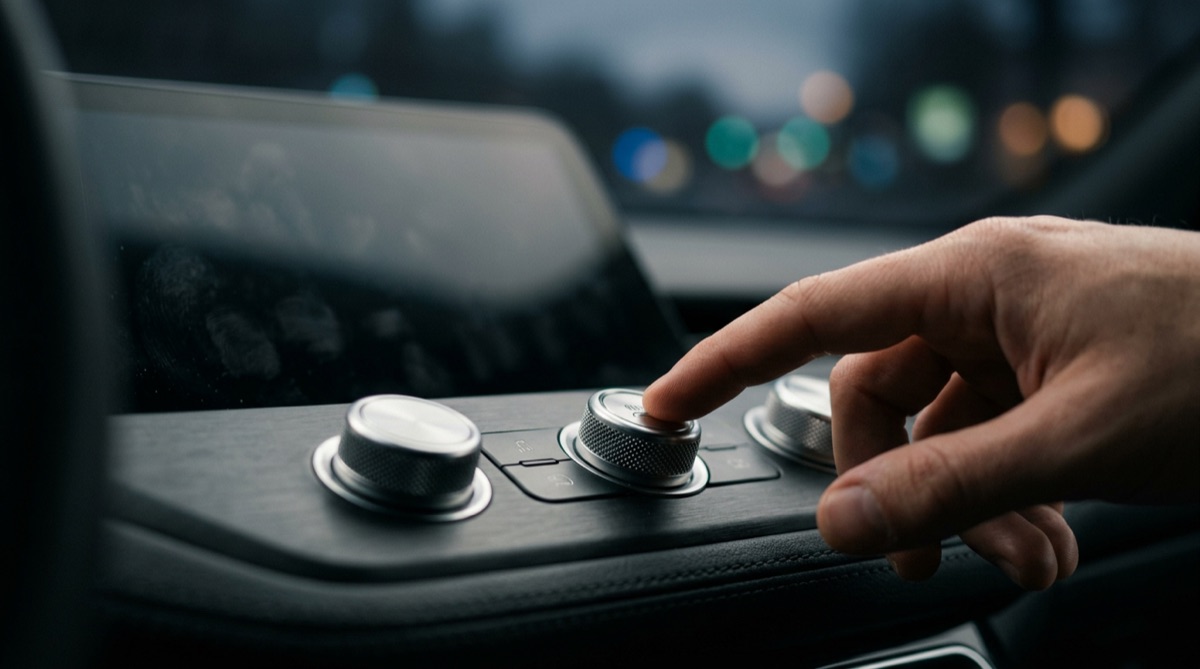
The beauty of a physical button is its sheer simplicity. You don’t have to look at it to use it. You can crank up the volume or blast the AC by feel, keeping your eyes on the road where they belong. It’s about that satisfying thunk of a real knob that tells you the job is done, no screen-glancing required.
- Muscle Memory Magic: Your hand just knows where to go. No hunting, no pecking, just instant adjustments.
- Tactile Nirvana: That satisfying *click* is more than just a sound; it's confirmation. It tells you the job is done.
- Accessibility Ace: For drivers with visual impairments or those who just find touchscreens fiddly, buttons are a clear winner.
The Competition: Who's Getting It Right (and Wrong)
Some brands are learning faster than others. Porsche is a fascinating, if confusing, case study. While the Taycan was criticized for its screen-heavy console, the upcoming Cayenne Electric seems to be doubling down. Leaked interior shots show even fewer physical switches, with a massive, curved OLED display dominating the center console. It’s a bold move, but one that seems to ignore the very feedback the rest of the industry is finally embracing.
Then there’s BMW. For years, the iDrive controller was the gold standard for tactile infotainment control. Shockingly, they’re phasing it out. I’m skeptical. BMW claims its own user data shows a preference for touch and voice, but this feels like a solution in search of a problem, ignoring decades of muscle memory built around one of the best physical controllers ever made.
The Verdict: Clicks are Back for Good
So, are touchscreens CANCELLED? For critical, everyday functions, absolutely. The era of fumbling through menus just to turn on your hazards is over. Automakers have seen the light, and it’s the satisfying, unambiguous click of a real button. Touchscreens still have their place for things like navigation and media browsing, but for the stuff you need in a split second, the physical button reigns supreme. Welcome back, common sense.