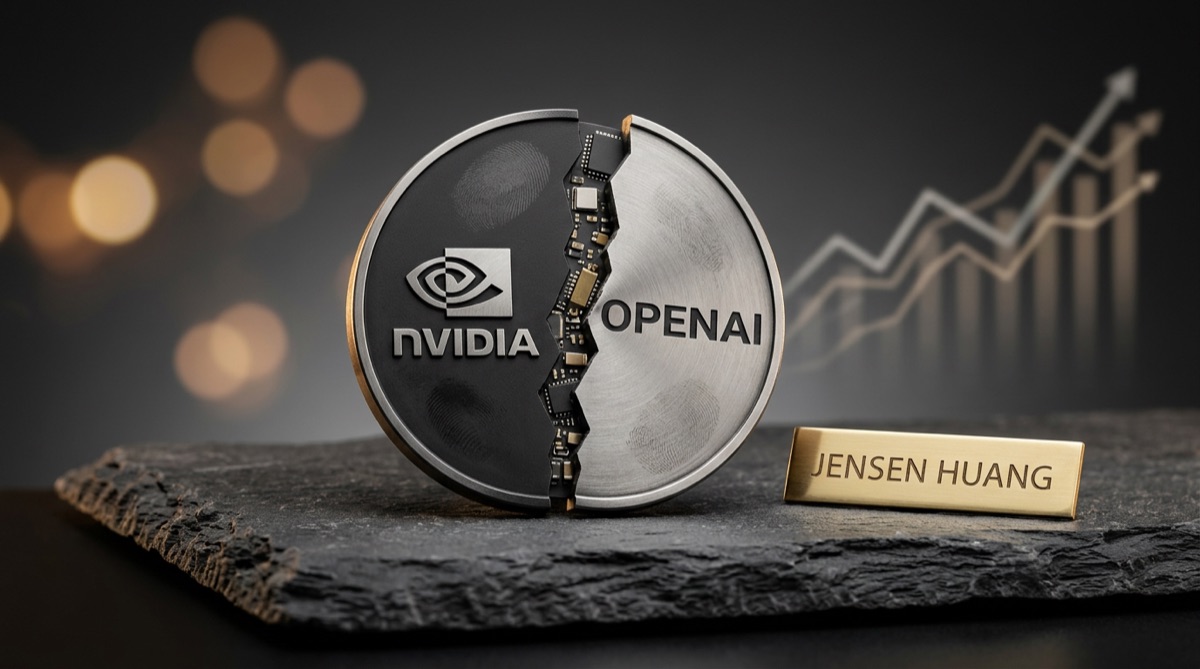
Let's get one thing straight: Nvidia isn't just "hinting" at a change in its Nvidia AI Investment strategy. At the Morgan Stanley Technology, Media, and Telecom Conference on Wednesday, CEO Jensen Huang laid it out cold. The era of Nvidia dropping massive checks on AI companies is probably over. That finalized $30 billion investment in OpenAI? It was part of a colossal $110 billion round, and Huang says it's likely the last of its kind.
Nvidia's Done Writing Checks? Not Exactly.
So what's the deal? It's all about the IPOs. Huang made it clear that with OpenAI and Anthropic gearing up to go public—with an IPO for OpenAI expected as soon as later this year—the window for these kinds of private mega-investments is closing. Nvidia's $30 billion stake in OpenAI was part of a mind-bending $110 billion round that also included heavy hitters like Amazon and SoftBank. And let's not forget the massive deal in November 2025, where Nvidia and Microsoft teamed up to pump a combined total of up to $15 billion into Anthropic—with Nvidia covering up to $10 billion of that.
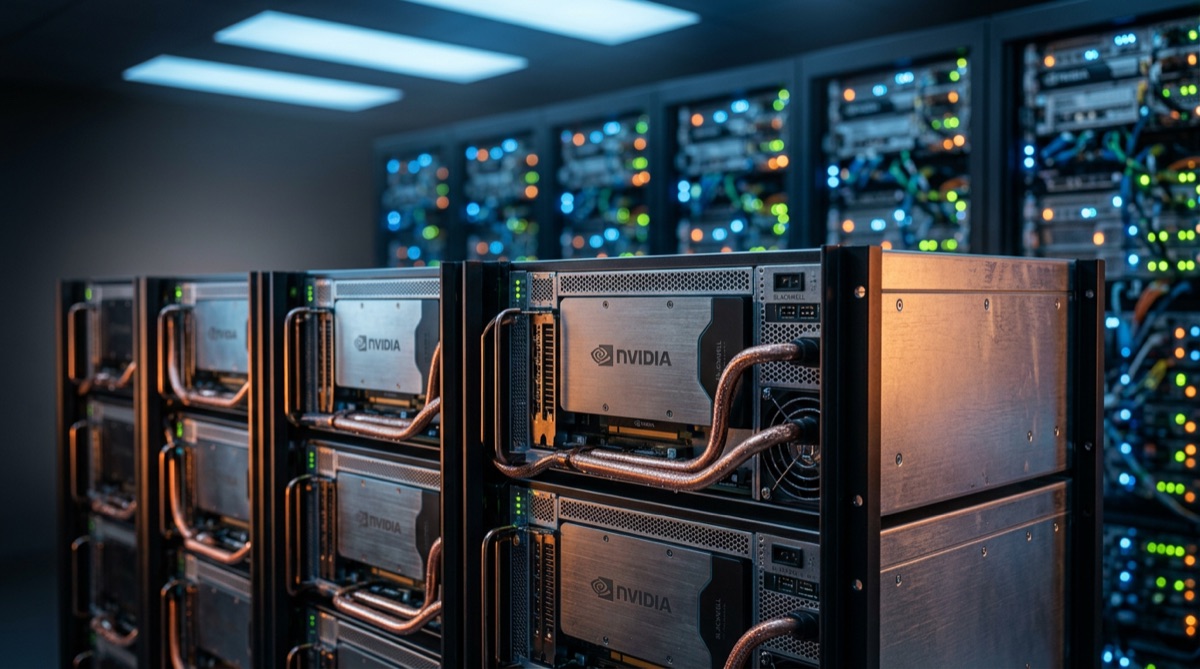
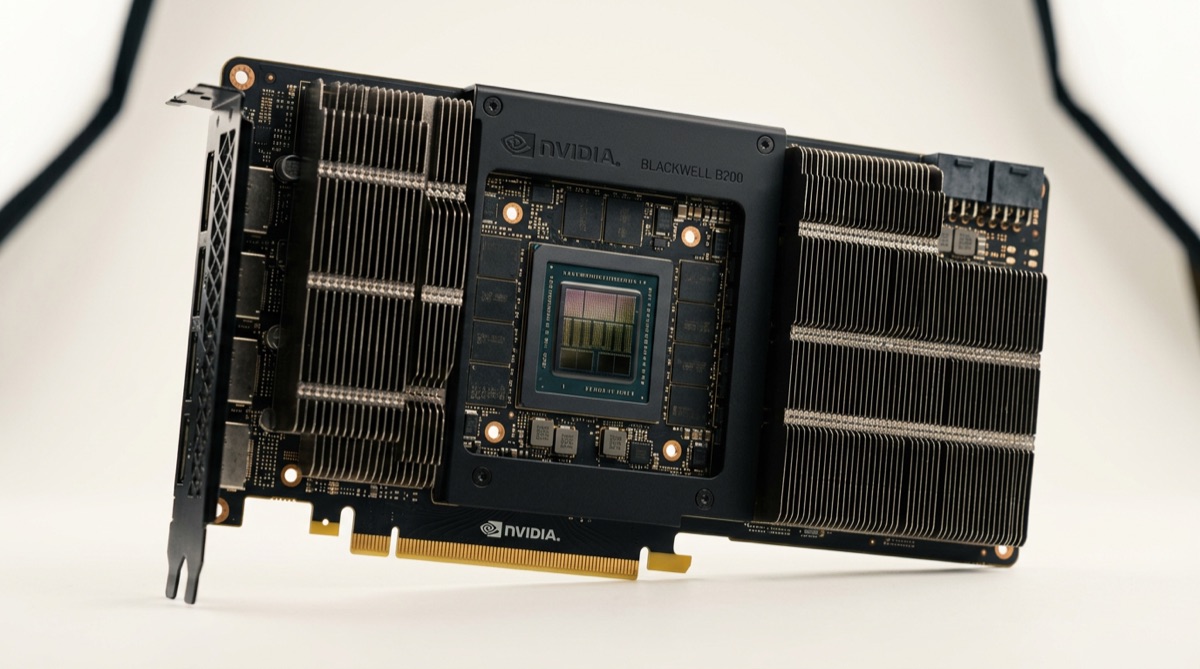
But here's the kicker: Nvidia doesn't need to write the checks anymore. They make the silicon that runs the entire AI world. Huang is shifting focus to what they do best: building the monster GPUs that power everything. The new Blackwell B200 GPUs are the real story here. A single B200 delivers around 20 PFLOPS of FP4 inference performance, but a full DGX B200 system with eight of them? We're talking a staggering 144 PFLOPS. That's the new benchmark, the new king. Nvidia's not just in the game; they own the stadium.
The Geopolitical Mess Just Got Messier
And of course, politics makes everything spicier. Just last week, the Trump administration blacklisted Anthropic. Why? Anthropic refused to remove its own safety guardrails that prevent its AI from being used for domestic mass surveillance or autonomous weapons. The Pentagon declared them a "supply chain risk," a move that sent shockwaves through the industry.
On the very same day, OpenAI swooped in and snagged a deal with the Pentagon. The timing looked terrible, and the backlash was immediate over fears OpenAI was rolling back its own ethical lines. It got so bad that just this week, CEO Sam Altman had to publicly amend the contract, admitting the deal was "rushed" and that the "optics don't look good," while adding explicit guardrails against domestic surveillance. It’s a tangled web of ethics, national security, and raw power.
AMD and Intel Are Coming for the Crown
Nvidia might be king, but the throne is never safe. AMD is coming in hot with its Instinct MI400 series. We're talking up to 432GB of next-gen HBM4 memory and a blistering 40 PFLOPS of FP4 compute power. That's not just a warning shot; that's taking a battering ram to Nvidia's fortress.
Intel isn't sitting on the sidelines, either. Their Gaudi 3 accelerator is built for efficiency and scale. It's packing 128GB of HBM2e memory and delivers a very respectable 1.8 PFLOPS of FP8 compute. The competition is getting fierce, and that's always a good thing for us. More power, better prices—bring it on.
So, What Does This Mean for Your Next Gadget?
Nvidia's focus on core hardware means one thing for us: our gadgets are about to get a whole lot smarter. The AI features in phones like the Pixel 8 and Galaxy S24 are just the beginning. Imagine real-time translation and insane photo processing happening right on your device, no cloud needed. That's the future Nvidia is building with its Blackwell architecture.
But let's get real for a second: if Nvidia stops funding the wild ideas from places like OpenAI and Anthropic, we might get more polished, profitable AI instead of the truly mind-blowing stuff. Is a smarter photo editor worth giving up on the next big leap? That's the trade-off. It’s a question of whether we want steady evolution or the chance for a revolution.
The Verdict: It's Still All About the Silicon
At the end of the day, Huang's move is a power play, and it's the right one. Software is sexy, but hardware is fundamental. The algorithms, the models, the chatbots—none of it exists without the silicon. By doubling down on being the undisputed infrastructure king, Nvidia ensures that whether they're investing directly or not, every single player in the AI space still has to play by their rules. They're not just shaping the future; they're building the foundation it rests on.