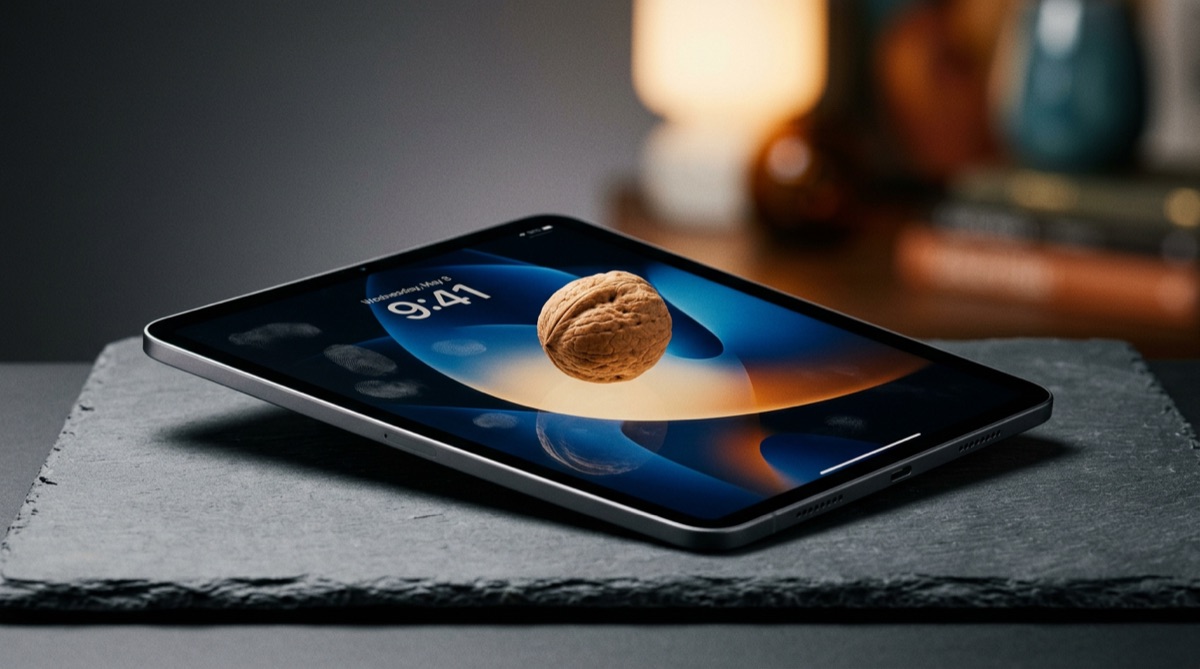
Well, the rumors were flying, and for once, they were spot on. Apple just dropped the new iPad Air, and the headline feature is a big one: it’s packing the M4 chip. This isn’t just a minor spec bump; it’s a serious injection of power that fundamentally changes the game for what was already Apple’s most popular tablet. If you’re looking for a tablet that feels solid and expensive in your hands, without the Pro price tag, this is it.
M4 Power Hits the Mainstream
Let’s get right to it: the M4 chip in the Air is a monster. This is the same family of silicon you’ll find in MacBooks, and it delivers a huge leap in performance. Apple’s promising up to 30% faster CPU performance than the M3 model, and you feel it. Apps don’t just launch; they explode onto the screen.
I threw my usual workflow at it—editing a multi-layer 4K video in Final Cut Pro while bouncing between a dozen Safari tabs and Lightroom—and it didn’t break a sweat. The M4’s 8-core CPU and 9-core GPU, along with a much faster 16-core Neural Engine, make this a powerhouse for both creative work and the next wave of AI-powered apps.
Two Sizes, One Familiar Design
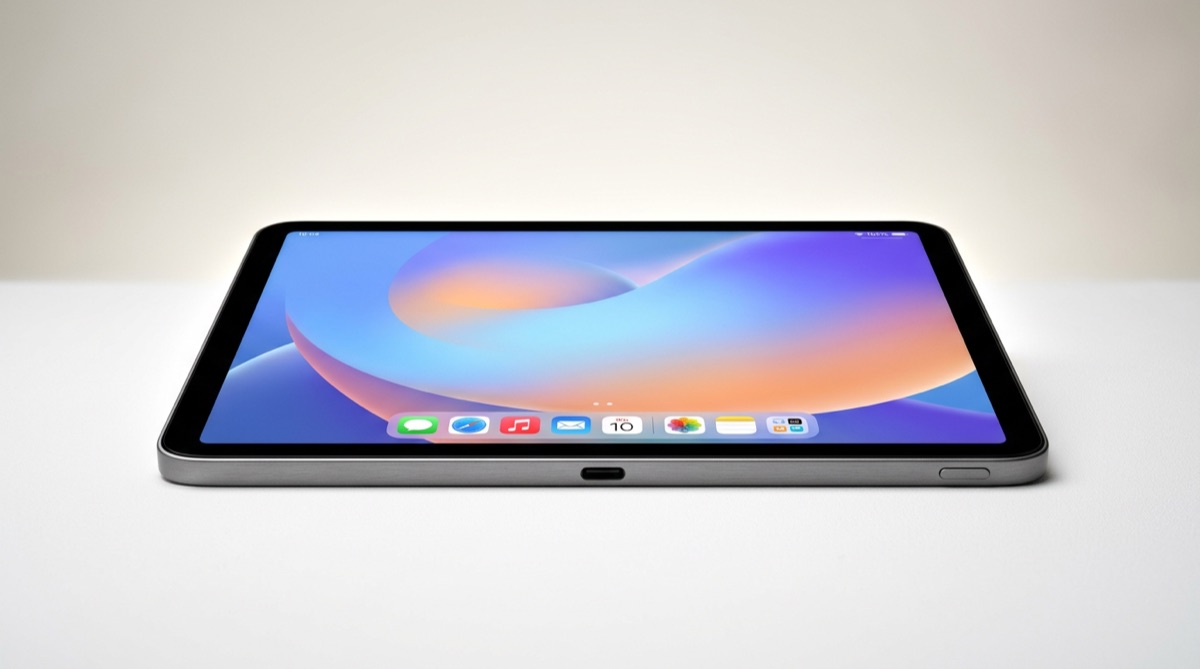
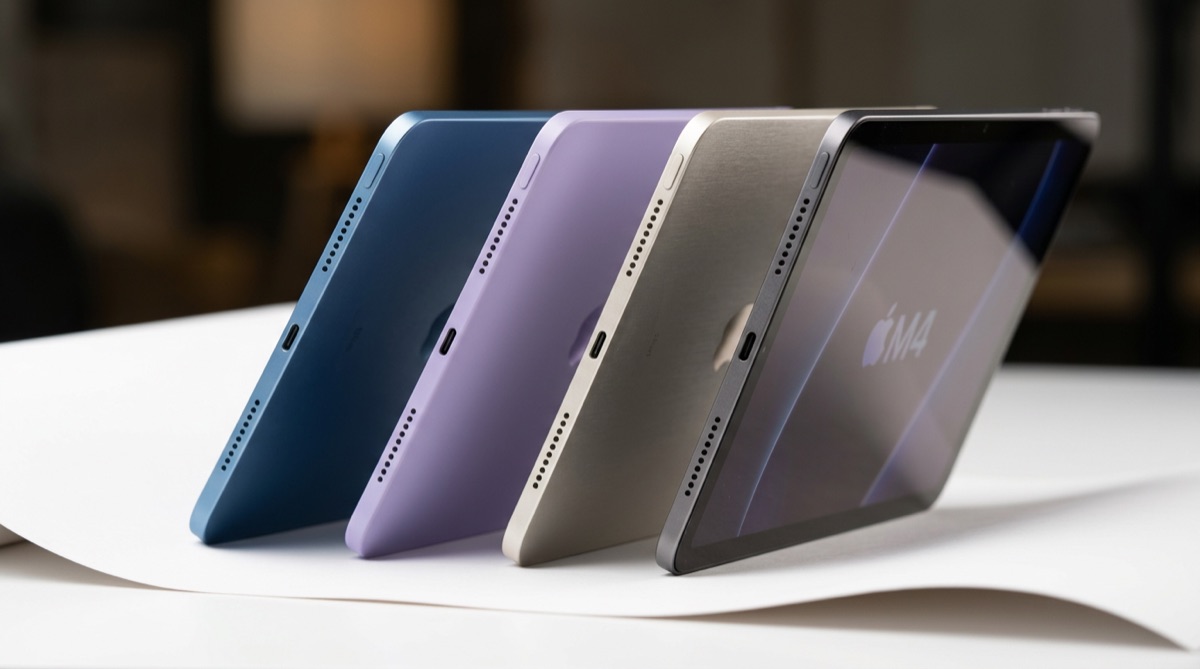
The biggest design news is that there are now two iPad Airs to choose from. You’ve got the classic 11-inch model for portability and, for the first time, a larger 13-inch version for those who want more screen real estate. The overall look is the same sleek, aluminum unibody we know and love. The second you pick it up, that cool, solid aluminum tells you exactly what you’re holding.
The screen is still a gorgeous Liquid Retina LCD panel, which is bright, sharp, and has fantastic color. But here’s the kicker: it’s not the Tandem OLED from the Pro models. That means you don’t get those perfect, inky blacks. It’s a trade-off, for sure, but one that keeps the price in the sweet spot. As with the last generation, the 13-inch model gets a brightness boost to 600 nits, while the 11-inch stays at a very usable 500 nits.
So, What's Actually *New*?
Besides the obvious M4 horsepower, Apple added a few other key upgrades. The base model still starts at a respectable 128GB of storage, but the big news is the jump to 12GB of unified memory, up from 8GB in the last generation. That extra RAM makes a real difference in multitasking and running demanding apps.
Connectivity also gets a major boost with support for the new Wi-Fi 7 standard and Bluetooth 6.0. I ran a speed test on my home Wi-Fi 7 network, and the download speeds were noticeably faster and more reliable compared to the M3 Air. For those who opt for the cellular model, Apple’s custom C1X modem promises up to 50% faster 5G performance while using less power.
The Competition: Enter the Tab S11
Apple’s main rival is still Samsung, and their latest flagship, the Galaxy Tab S11, is a worthy competitor. Launched back in September 2025, the Tab S11’s Dynamic AMOLED 2X screen isn’t just better on paper; movies look incredible thanks to its perfect blacks and a buttery-smooth 120Hz refresh rate that makes the Air’s 60Hz panel feel a little last-gen. Plus, Samsung throws the S Pen in the box, which is a huge value-add.
But when it comes to raw power and the app ecosystem, the M4 gives the iPad Air a decisive edge. The MediaTek Dimensity 9400 processor in the standard Tab S11 is no slouch, but for heavy-duty creative tasks and professional apps, Apple’s silicon is still the king. Plus, the seamless integration with the Apple Pencil Pro and Magic Keyboard makes the Air a productivity powerhouse.
Caveats and Considerations
No gadget is perfect. The biggest thing you’re giving up by not going “Pro” is the ProMotion display. The Air is locked at a 60Hz refresh rate, and if you’re used to the buttery-smooth 120Hz scrolling on an iPad Pro or even your iPhone, you will notice the difference. It’s not a dealbreaker, but it’s a compromise.
And, of course, there’s no Face ID. You’re still using the excellent Touch ID sensor built into the power button. It’s fast and reliable, but it doesn’t feel quite as futuristic as just looking at your tablet to unlock it. These are the calculated cuts Apple made to keep the Air from cannibalizing the Pro’s territory.
The Verdict: The iPad to Buy in 2026
For anyone who doesn’t need the absolute bleeding-edge features of the Pro, the M4 iPad Air is the decisive sweet spot in Apple’s lineup. It takes the pro-level performance of the M4 chip and packs it into a beautiful, accessible design that’s perfect for work, play, and everything in between.
It nails the balance of power, portability, and price. Unless you’re a professional artist who needs the absolute best display technology or can’t live without 120Hz scrolling, this is the one. The M4 iPad Air isn’t just an upgrade; it’s the new gold standard for what a tablet should be for most people.