Highguard Postmortem: Why Wildlight Entertainment's FPS Failed
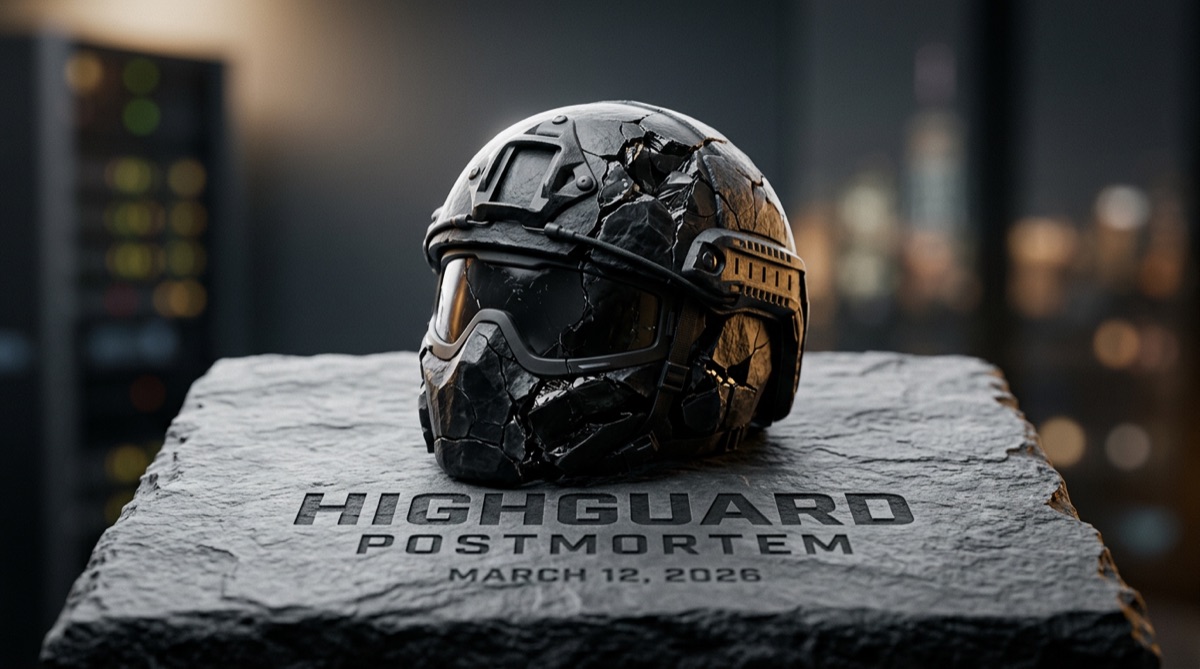
Highguard, the squad-based FPS from Wildlight Entertainment, is shutting down. The announcement came today, March 3, 2026, with servers going offline for good on March 12, just 46 days after the game launched. This postmortem examines what went wrong.
Highguard: Tactical Gameplay with a Twist
On paper, Highguard had the goods. It wasn’t just another hero shooter; it was a ‘PvP raid shooter’ from a studio of ex-Respawn vets, which immediately got my attention. You had eight unique ‘Wardens’ at launch like Reaper, who could drop a nanobot swarm to kill enemy gadgets, and Bastion, who could throw up a massive 5000 HP barricade. The real kicker was the destructible environments—letting you blast through practically any surface to get the drop on enemies.
What went wrong?
So if the ideas were solid, where’s the disconnect? Highguard wasn’t a bad game, but it landed with a thud and never recovered. The player count peaked at nearly 100,000 on Steam at launch but lost 90% of that within a week. Here’s the breakdown of the fumble.
- Marketing Missteps: Instead of a slow-burn hype campaign, Wildlight tried to pull an Apex Legends: a massive reveal at The Game Awards 2025 followed by… crickets. They went almost completely radio silent until launch day. That strategy can work when you have a sure-fire hit, but for a new IP in a crowded market, it just created confusion, not anticipation.
- An Empty Roadmap: This one’s a heartbreaker. Wildlight dropped this ambitious roadmap promising monthly content, but they failed to sell us on that future before launch. So when the game landed, it felt like a one-and-done deal. But here’s the kicker: the final “goodbye” patch is adding a new Warden, skill trees, and more. All that content was waiting in the wings, but players had no reason to believe it was coming, so they just… left.
- The Competition: The FPS market is brutal. You’re fighting Apex Legends, Valorant, and Call of Duty. To stand out, you need more than just a good idea. You need perfect execution, constant updates, and a huge marketing budget.
The Hardware Perspective
From a hardware standpoint, you can’t fault the devs. Highguard was surprisingly polished. The official recommended spec was an RTX 2080, but I heard from plenty of people getting solid frames on older cards like the GTX 1060. It had DLSS support out of the box for that buttery-smooth 120fps feel we love. But here’s the kicker for Team Red: AMD’s FSR was completely missing at launch, a bizarre omission for any modern PC title.
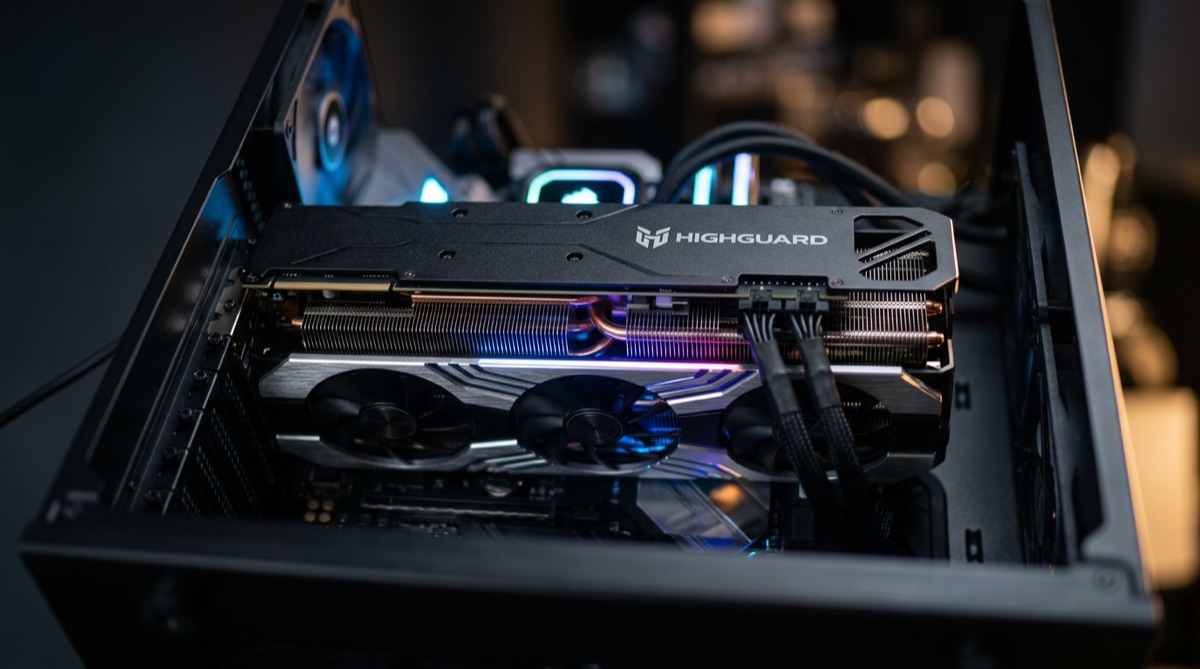
At the end of the day, a buttery-smooth framerate doesn’t keep the lights on. Highguard proves you can have a rock-solid build, but it’s all for nothing if players don’t have a reason to log in.
The Verdict
Highguard isn’t a story of a bad game. It’s the story of a good-enough game that failed to give players a reason to care. Wildlight tried to replicate a marketing strategy from a different era without understanding why it worked, and in the brutal 2026 FPS market, a cool idea and a polished engine aren’t enough. You need to build a community, not just expect one to show up.